
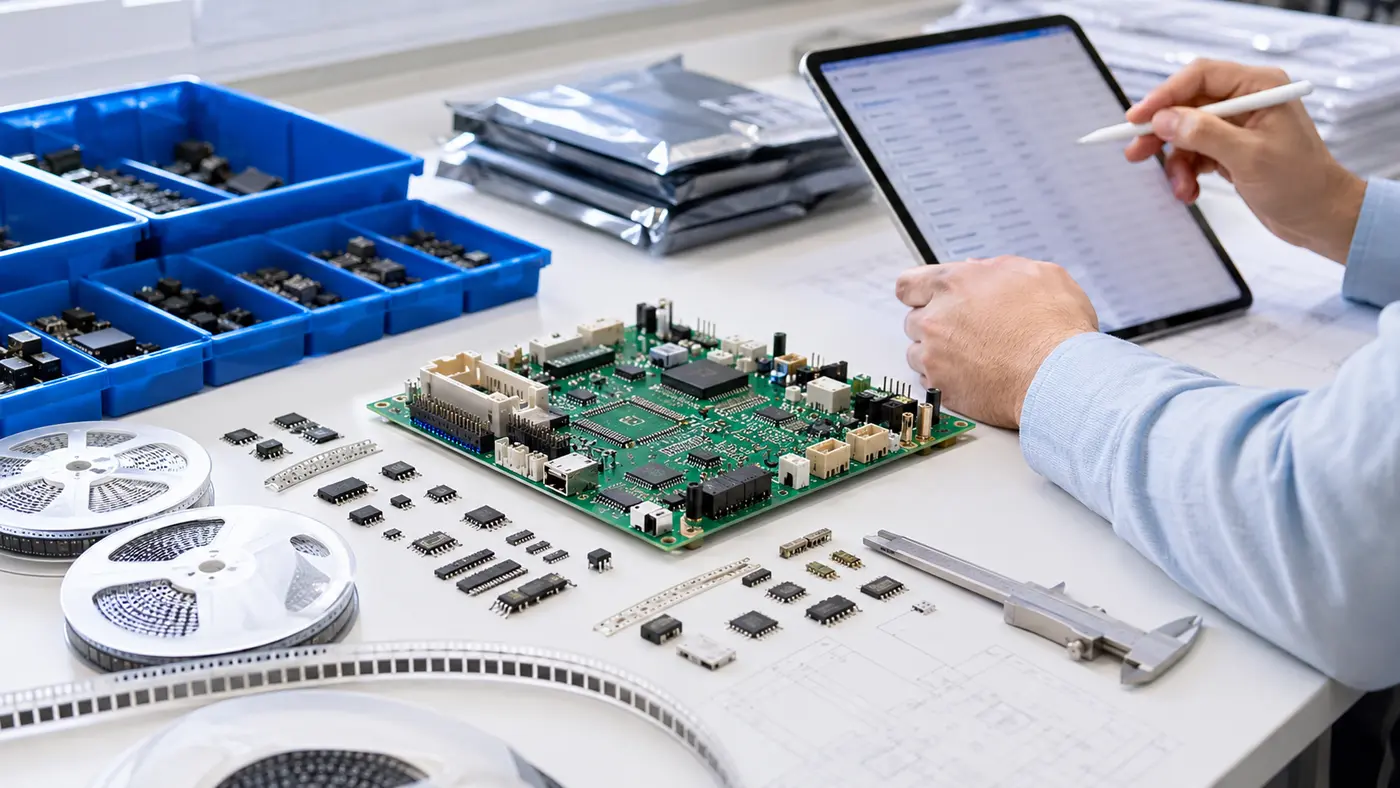
component obsolescence and import substitution

Electronics import substitution and component obsolescence redesign

We redesign electronic products around available components while preserving the required interfaces, functions and manufacturing constraints.

Redesign of industrial electronics using available replacement components

You can start with a practical problem

You do not need to prepare formal engineering terminology before contacting us. A clear business or equipment problem is enough for an initial technical discussion.

What we do

AuditBOM, functions, interfaces and critical component dependencies.
ClassifyDirect replacements versus redesign-required parts.
SelectAvailable alternatives with verified electrical and lifecycle characteristics.
RedesignSchematics, PCB and firmware changes where pin/function compatibility is not direct.
PrototypeBuild and bring up the revised product.
ValidateCompare required behavior and release the new revision.

What the customer receives

The exact deliverable set is agreed before the stage starts so acceptance is based on concrete engineering results rather than activity.

Obsolescence/risk assessmentReplacement component listUpdated schematics and PCBFirmware changes where requiredVerified manufacturing package

Technology and implementation

We select the architecture and tools according to interfaces, timing, environment, maintainability and production constraints.

BOM analysisAvailability, lifecycle, sole-source risk and electrical constraints.
Component replacementDrop-in substitution where genuinely safe.
Circuit redesignPower, interfaces and functional blocks adapted when pin-compatible parts are not available.
Firmware impactDrivers and timing updated for new peripherals or MCU families.
VerificationRegression against the original functional requirements.
Supply strategyApproved alternatives documented in the BOM where practical.

Electronics import substitution and component obsolescence redesign: engineering approach

Import substitution is an engineering change project, not simply a purchasing exercise. A replacement component can affect power, timing, EMC, firmware and manufacturing.

We separate low-risk direct replacements from items that require circuit or software redesign, then validate the changed product against agreed requirements.

For unavailable complete modules, reverse engineering and compatible-board development may be the more robust path.

01

BOM risk analysis

02

Replacement selection

03

Circuit redesign

04

Firmware adaptation

05

Prototype regression testing

06

Updated production package

Frequently asked questions

Questions that are useful to settle before the initial estimate.

Can every component be replaced directly?

No. Pin-compatible does not guarantee electrical, timing or firmware compatibility. Each critical replacement must be checked in context.

Can you replace a complete imported module?

Yes. We can characterize its interfaces and develop a functional replacement when the required behavior can be specified.

Do you update the BOM?

Yes. The approved replacements and constraints are documented in the project package.

Will firmware need changes?

Sometimes. MCU, memory, sensor, communication and peripheral changes can require driver or timing updates.

Can you work from an existing product revision?

Yes. Existing schematics, PCB files, BOM and a working sample significantly improve the efficiency of the project.

Discuss your engineering task

Send the BOM, schematics or board files if available, identify the unavailable parts and describe which external behavior must remain unchanged.

Useful informationdevice purpose, power, interfaces, operating environment, expected volume, component constraints and target schedule
Customer type